
FAQ for the European Orthodontic Biomechanics Course 2026
Yes. You will be able to understand biomechanics even if you do not yet have extensive clinical experience. A solid knowledge of biomechanics will be useful throughout your professional career, regardless of the orthodontic approach you will use in the future. This is something I have observed over many years of teaching.
Yes. If you have clinical experience in orthodontics but feel that you would benefit from a deeper understanding of biomechanics, this course is designed for you. It will help you improve your treatment planning and better understand when and why certain mechanics do not work as expected.
No. Video recordings are not allowed. However, taking photographs and making voice recordings are permitted.
There are many possible accommodation options. If you need assistance, please contact us and we will be happy to help.
There is a lot to study in this field. Upon registration, you will receive the software Biomechanics in Orthodontics, which serves as the textbook for the course. I recommend that you start reading it before the course begins.
The lectures are not simply a spoken version of the software. However, the textbook will allow you to review most of the topics discussed during the course. In this sense, the course and the textbook work very well together. Biomechanics in Orthodontics also includes many references to scientific papers on biomechanics.
If you are coming from outside the European Union, you may need a visa to enter Italy. In previous editions of the course, we welcomed students from Syria, Saudi Arabia, Qatar, the United Arab Emirates, Chile, Brazil, Turkey, Russia, Ukraine, South Korea, Hong Kong, and India.
We will support doctors in every reasonable way during their visa application process, for example by providing an invitation letter. However, we are not responsible for the outcome of the visa application.
You will need to bring a Windows-based laptop with the software installed. T3do does not run properly on Mac. You will also need to bring pliers and wires for the typodont work.
Pliers and instruments:
- Angle plier / bird beak plier
- Weingart or How plier
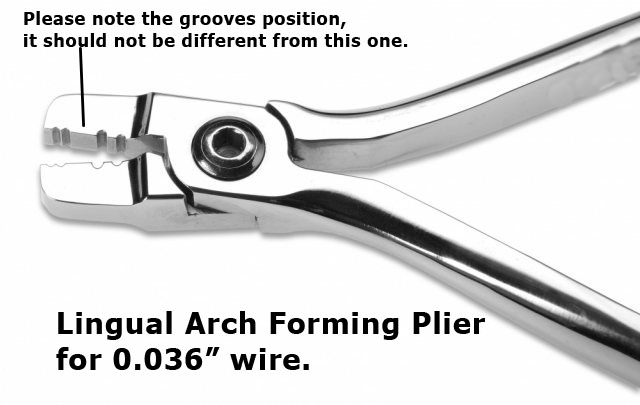
- Lingual arch forming plier
- Ligature cutter
- Hard wire cutter
- Mathieu plier
- Scaler / pusher instrument
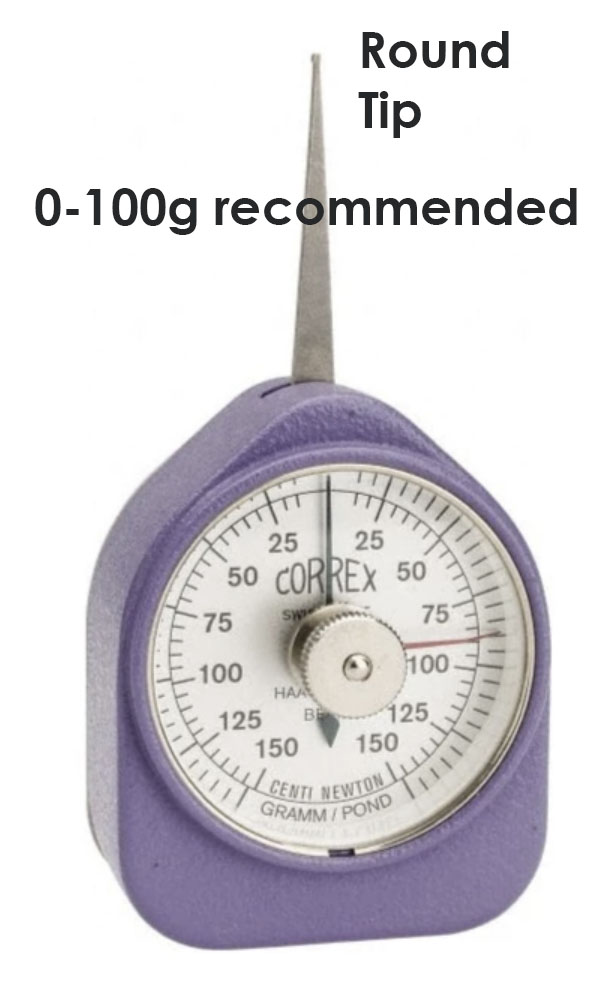
- Correx force gauge, 0–100 g
Wires and other materials:
- Straight-cut stainless steel wire pieces: .017" × .025" and .036"
- Beta Titanium wire — TMA, CNA, or similar: .017" × .025", .018", and .036"
- Elastic power chain
- Long metal ligatures
- Ruler and protractor
Of course, you may also bring any other instruments that you are used to using in your clinical practice.
Additional note for the Online Biomechanics Core Course
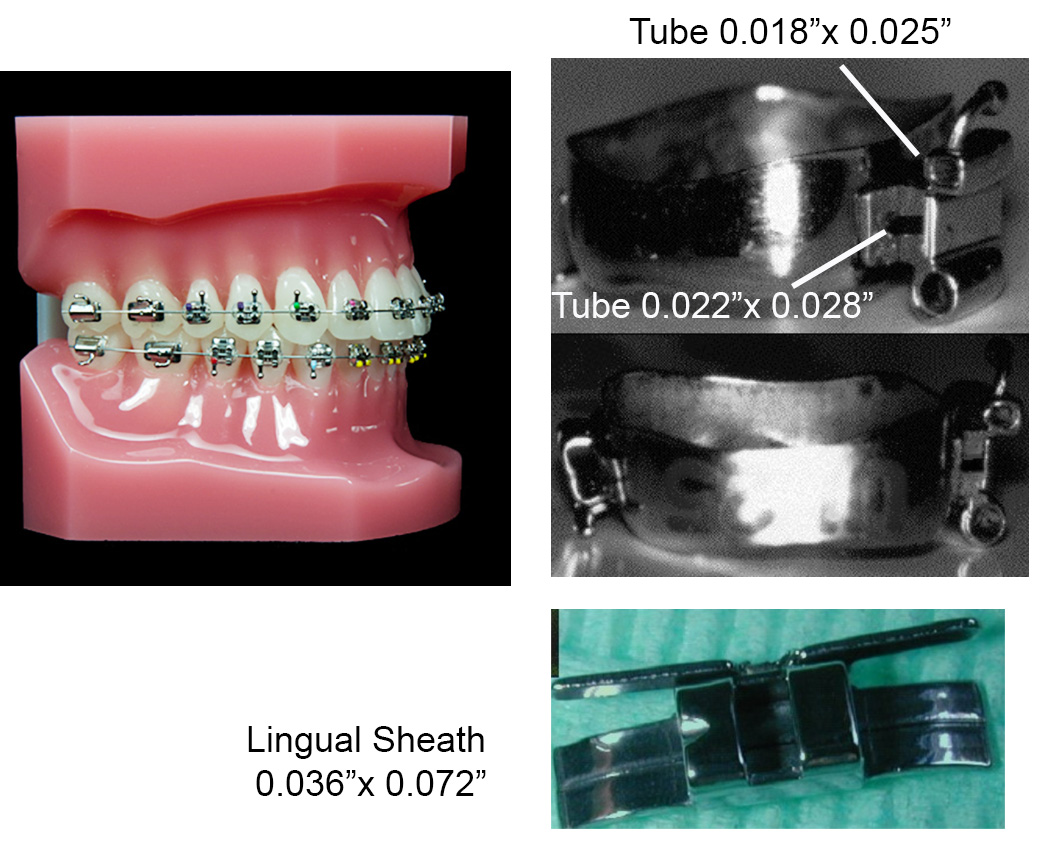
For the Online Biomechanics Core Course, in addition to the pliers and materials listed above, we recommend that you also obtain a demonstrative model similar to the one shown below.
The bracket prescription is not important, but the slot should be .022" × .028". Bands are used to work with lingual arches, and double or triple tubes are used for cantilevers and other auxiliaries. For this reason, these components are quite important.